All published articles of this journal are available on ScienceDirect.

Architects’ Awareness and Adoption of Internet of Things (IoT) in Smart Housing in Lagos, Nigeria
 iD
Pelola Fowosere1
iD
Charis Ladokun1
iD
Esther Akinola2
iD
Authors Info & Affiliations
Abstract
Background and Objective
As urban areas grow, the integration of IoT smart technologies offers benefits such as energy efficiency, comfort, security, and sustainability. This study seeks to explore the awareness of Internet of Things (IoT) technologies for smart housing among architects in Lagos, Nigeria.
Methods
A cross-sectional survey of 89 Architects in Lagos was carried out using questionnaires to assess the awareness, adoption, and barriers to the adoption of IoT technologies.
Results
The study results show that there’s a sufficient level of awareness of IoT technologies such as surveillance cameras, smart appliances, Biometric authentication systems, and solar energy monitoring systems; however, adoption remains moderate due to financial limitations, low client demand, limited professional training, and low policy support. Factors such as perceived usefulness, along with ease of use and social influences, were seen as major drivers of adoption.
Discussion
The findings indicate that awareness alone is not really sufficient to ensure the adoption of IoT technologies in smart housing. Widespread implementation of these technologies will require improved professional training, better client awareness, supportive policy frameworks, and financial incentives to reduce adoption barriers among architects in Lagos.
Conclusion
The study reveals the need for targeted professional development, incorporation of IoT education in architectural training, increased public awareness, and government-led incentives to support adoption. These findings contribute to the broader knowledge base on sustainable urban development and emphasise the critical role of architects in facilitating the digital transformation of housing in Nigeria.
1. INTRODUCTION
The rapid growth of digital technology has profound impacts on the physical space, especially due to the rise of the concept known as the Internet of Things (IoT). The term Internet of Things is used to denote a system comprised of various devices equipped with sensors, software, and networking capacities, allowing them to collect, share, and respond to data in real time [1]. In the case of houses, IoT technology helps to create smart homes in which various systems, including lighting, heating, security, and household appliances, can operate independently [2].
In the international context, intelligent homes have evolved into an essential element of sustainable urban development. This is especially evident in the case of highly urbanised cities such as Lagos. As Nigeria's commercial capital, the city is experiencing population growth, increased housing needs, and innovation [3]. These developments present an opportunity to incorporate the use of the Internet of Things into the building industry.
Despite the above developments, the adoption of the Internet of Things in smart housing significantly relies on the level of awareness and readiness of professionals working in the field of architecture, the major players in designing and installing smart technologies in housing constructions [4]. The knowledge of an architect is a crucial factor in making decisions concerning the installation of such technologies during the construction process. Studies conducted in Lagos have identified a gap between awareness of intelligent building concepts and the practical implementation of the technology [5]. In fact, while awareness levels may be relatively high (above 90%), implementation rates lag behind considerably [5].
Moreover, current studies indicate that knowledge among different stakeholders, including residents, about the technologies used in smart buildings, remains nascent. In certain instances, nearly half of the residents in Lagos (49.21%) were found to be lacking awareness of the features associated with smart buildings, despite high levels of interest in these technologies [6], especially for purposes of security and safety. This gap in knowledge is not restricted only to residential populations; it may also be relevant for architects.
Considering the foregoing discussion, an evaluation of architects’ knowledge regarding the Internet of Things in smart housing is necessary to determine the preparedness of the construction sector towards digitalisation. Architects’ knowledge is not only important in adopting new technologies but also in delivering sustainable and efficient housing solutions that cater for the needs of users [4].
While there have been prior studies on the awareness of intelligent buildings, perception of smart housing by residents, and adoption of smart building technology in the Nigerian construction industry, no empirical studies have focused on the awareness of IoT technologies for smart housing by architects, and the adoption of such technology by them in Lagos, Nigeria. Moreover, there are very few studies that have considered both awareness and adoption behaviour of the technology, along with the factors affecting adoption and barriers to implementation of IoT technologies. This study aims to address this gap by considering the Technology Acceptance Model (TAM), Diffusion of Innovation (DOI) Theory, and Unified Theory of Acceptance and Use of Technology (UTAUT) in the study of the adoption of IoT technologies.
Therefore, the aim of this study is to assess the level of awareness and adoption of IoT technologies by architects in the design and construction of smart homes in Lagos, Nigeria. The specific objectives are:
- To assess architects’ awareness of IoT technologies in Lagos State
- To identify factors influencing IoT adoption by architects in Lagos State
- To assess the challenges facing the implementation of IoT in smart housing by architects in Lagos State.
1.1. Theoretical Framework
The theoretical framework for understanding the integration of the Internet of Things (IoT) in smart housing is essential for defining the process and reasons behind the implementation of these technologies, as well as their impact on housing dynamics. Several well-established models from the fields of technology adoption, innovation diffusion, and systems theory help explain the mechanisms through which IoT is incorporated into smart homes. This section elaborates on critical theoretical models that will offer an opportunity to examine the role of IoT in housing.
1.1.1. Technology Acceptance Model (TAM)
One of the most widely used frameworks in the research on the adoption of innovative technologies, including the IoT, was developed by Davis in 1989 [7]. TAM introduces two variables, which are the main determinants of adoption and utilisation of a technology. They include:
- Perceived Ease of Use (PEOU) – This is the degree to which an individual believes that using a technology will require minimal effort. In the context of IoT, it reflects homeowners’ perceptions of how easy IoT systems are to use. In a study by Gao and Bai [8], perceived ease of use played a significant role in the adoption of IoT. Despite this, some studies have not shown a connection between attitude and PEOU [9], and other studies have verified that there is an indirect relationship between attitude and PEOU [10].
- Perceived Usefulness (PU) – It is concerned with how consumers believe using a particular technology will help with accomplishing specific tasks [11]. This is the perceived advantage of IoT technologies in smart housing, such as higher energy efficiency, greater security, and greater convenience, which affects adoption. However, some empirical research in the Middle Eastern e-banking sector found no meaningful relationship between perceived usefulness and attitude [12], but it recommended additional studies in the field.
A combination of these two factors typically defines the acceptance of IoT technologies in smart homes. When homeowners are convinced that such systems are simple to operate and offer valuable services, they are likely to adopt IoT solutions [11].
1.1.2. Diffusion of Innovation Theory (DOI)
The Diffusion of Innovation theory (DOI) [13] is concerned with the dissemination of innovations in a society. It is a good example of how innovative technologies or practices can be introduced to various layers of a population. It has five prominent types of adopters as described in the theory:
- Innovators: They are early adopters who are ready to experiment and take risks.
- Early Adopters: People who are more socially connected and play a significant role in influencing the broader population.
- Early Majority: These are those who embrace an innovation once they realise that it has been adopted by others and that its advantages have been observed.
- Late Majority: Skeptical individuals who embrace technology when it is already broadly used and has already been found to be reliable.
- Laggards: Individuals who are slow in adopting innovative technologies and tend to be very resistant to change.
In the context of IoT in smart housing, according to the DOI theory, when it comes to the mass adoption of smart homes, the innovators and early adopters will bring the technology into the mainstream. These early adopters would subsequently make the technology more accessible to the early and late majority, and ultimately, even the laggards would start realising the benefits of smart housing solutions [13].
1.1.3. Unified Theory of Acceptance and Use of Technology (UTAUT)
The Unified Theory of Acceptance and Use of Technology (UTAUT) is a more recent model which integrates eight other models, including TAM and DOI. UTAUT recognises four determinants of technology adoption:
- Performance Expectancy: The extent to which the utilisation of the technology is thought to enhance performance; researchers agree that performance expectancy and usefulness are one and the same. [14, 11].
- Effort Expectancy: The level of comfort related to the use of the technology. This is also similar to the perceived ease of use in TAM.
- Social Influence: The extent to which individuals perceive that people who are important to them (e.g., their family, friends, or colleagues) believe they should adopt the new technology.
- Facilitating Conditions: The conditions that are needed to use the technology, such as the presence of high-speed internet and the availability of compatible devices.
These factors heavily influence the intention to adopt and use IoT technologies in smart homes, according to UTAUT. For example, when someone has a close-knit social group who are convinced about the benefits of smart home technologies, that individual has more chances of adopting them [11].
1.2. IoTs for Smart Housing
The Internet of Things (IoT) is a network of interconnected devices that communicate with each other and collect, process, and share data [15] without the need for human interaction with humans or other objects.
IoT's interconnection of devices, when brought into the context of housing, creates smart housing. Perumal et al. [16] defined a smart house as “an intelligent environment that can acquire and apply knowledge about its inhabitants and their surroundings to adapt and meet the goals of comfort and efficiency, smart houses allow control and automation of various parts of the house, such as ventilation, HVAC, security, lighting, water, and waste management. For example, smart thermostats can adjust the temperature based on the time of day or occupancy [17]; smart lighting systems can be controlled remotely to reduce energy usage. It also includes systems such as security cameras, home assistants, and appliances such as washers/dryers and refrigerators/ freezers, capable of communicating with each other and being controlled remotely.
IoT-enabled homes are not just about convenience; they also contribute to sustainability by promoting energy efficiency and reducing the environmental impact of households [18].
1.3. The IoT Ecosystem in Smart Housing
The IoT ecosystem in smart housing consists of several interconnected elements that work together to enhance the functionality and efficiency of residential spaces:
1.3.1. Smart Devices and Sensors
Smart homes rely on various IoT-enabled devices and sensors to collect, analyse, and transmit data. These devices serve different purposes: automation, security, energy management, and health monitoring. Common IoT devices in smart housing include:
- Smart Security Systems - Security is a key concern in every home. IoT-based security systems offer real-time monitoring and threat detection. These devices include smart locks that can be locked and unlocked using a smartphone or voice control (home automation), Security cameras with motion detection, night vision that can send real-time alerts and live video feeds to the homeowners’ smartphones, and alarm systems that provide an audible alert of an intrusion or security threat [19].
- Voice-Controlled Assistants - Voice-controlled assistants in smart homes are internet-connected devices that respond to spoken commands, enabling users to control appliances and access information [20]. With voice assistants such as Google Assistant, Amazon Alexa, and Samsung Bixby, it is possible to control various parts of the home, from controlling the lights to adjusting the thermostat [21]. This makes daily tasks more accessible and convenient.
- Energy Management Systems: This includes smart thermostats that regulate room temperature automatically according to users’ preferences, an energy monitoring device that provides homeowners with details concerning their energy consumption, and smart plugs that allow homeowners to control and manage electric consumption on their appliances. Smart homes incorporate these systems to optimise consumption and efficiency [22].
- Smart Lighting: Smart homes feature automated lighting control, which includes motion sensor lights that turn on when a person enters the room and turn off when they leave, and colour-changing bulbs that allow homeowners to change and control the hue and colour temperature of the lights to suit the mood or activities. Smart lighting increases energy efficiency and comfort in the space.
- Smart Appliances: These are integrated into the smart home ecosystem to further provide convenience and automation for daily tasks. They include smart refrigerators, smart ovens, and smart Beds and mattresses that can monitor sleep quality and control temperature for users’ comfort.
- Sensors - Sensors continuously collect data and use that data to enable automation and functioning of IoT-enabled smart homes. They include motion sensors, Temperature sensors to adjust HVAC systems for optimal comfort, Light sensors, and proximity sensors for Hands-free control of doors and appliances.
1.3.2. Communication Protocols and Networks
The successful functionality and usability of IoT devices depend on reliable networking technologies and communication protocols that enable device-to-cloud and device-to-device communication. There are various communication protocols that are employed in smart home networks, both wireless and wired [23], and they include Wi-Fi, which provides high-speed connectivity for IoT devices at a higher power level. Zigbee and Z-Wave, which are Low-powered, short-range wireless protocols most appropriate for smart home automation, as well as Bluetooth Low Energy (BLE), LoRa WAN, NB-IoT, 5G, and LTE.
1.3.3. Cloud Computing and Edge Processing
Smart housing IoT systems generate massive amounts of data that need to be processed and stored. This is handled through cloud computing and edge computing technologies.
Cloud computing offers on-demand access to shared resources that enable data storage and computation for IoT devices [24], which enables people at home to control their smart home installations from anywhere via mobile apps or an online portal. The most widely used cloud solutions for smart homes are AWS IoT, Google Cloud IoT, and Microsoft Azure IoT.
Edge Computing handles data near devices, making data processing fast and efficient [25]. They are ideal for use in security cameras, voice assistants, and other real-time response applications.
1.3.4. AI and Data Analytics
Artificial Intelligence (AI) and machine learning contribute substantially to making homes smarter and more efficient. AI algorithms, i.e., deep learning and machine learning, decode data from Internet of Things (IoT) sensors to support smart decisions and automated multi-tasks in houses [26]. This allows for benefits ranging from improved energy management, predictive maintenance, and enhanced security [27].
Although there are some issues with AI, for instance, privacy, interoperability, and the necessity for effective cybersecurity [26, 27], AI-driven automation for IoT-smart homes has the promise for convenience and efficiency.
The integration of these components in the IoT ecosystem creates a smart living experience in which data is continually sensed, understood, and acted upon to enhance occupants' comfort, efficiency, and security. The benefits highlight the key role IoT plays in transforming homes into smart, adaptive environments [28].
1.4. Benefits of IoT in Smart Housing
The IoT implementation in intelligent houses provides a range of advantages, such as increased energy efficiency, enhanced security, and greater user comfort.
1.4.1. Energy Efficiency
IoT can be used to monitor and optimise energy use in real-time. Smart thermostats, lighting systems, and energy-efficient appliances would do a lot to cut energy wastage [29]. Smart thermostats increase energy efficiency by regulating indoor temperatures based on occupancy patterns and outdoor weather conditions. There are sensors and machine learning algorithms in these devices to optimise heating and cooling, ensuring they use energy only when needed [17]. Likewise, intelligent lighting systems have motion-detecting sensors and dimming controls that automatically turn off lights in unoccupied spaces, cutting down electricity use by a large margin [30]. It has been shown that implementing IoT-connected devices can help families save up to 30% of energy, aligning with the global sustainability agenda [31]. In general, the use of IoT in smart housing helps to achieve high energy efficiency by minimising waste, keeping costs down, and ensuring a sustainable lifestyle. The use of these technologies is especially pertinent to city centres such as Lagos, where there is still increasing pressure on energy needs despite infrastructural pressures.
1.4.2. Security and Safety
Security and safety are significantly increased with the Internet of Things (IoT) integrated into smart housing because it ensures real-time monitoring and automated alerts, and access can be controlled remotely. Smart surveillance cameras, motion sensors, and biometric locks are IoT-enabled security systems that enable homeowners to keep an eye on their homes remotely using mobile apps and cloud-based systems [32]. These systems enhance security by providing real-time video surveillance, detection of intrusion, and automated responses to emergencies. In addition to countering intrusions, IoT will also increase the safety of homes by improving smart fire and gas-leakage detectors. Smoke detectors and gas leak sensors can detect health hazards in real time and send automatic notifications to the homeowner and emergency services to reduce any risks associated with fire outbreaks and gas leakages [33]. Additionally, intelligent water leak sensors can be used to prevent flooding by detecting pipe leaks in time and automatically shutting off the water supply.
In Lagos, where people's security concerns include burglary and home intrusions, IoT-based security offers an effective solution for residential security. IoT makes smart housing more secure and safer through its supervisory capabilities over the house, instant security notifications, and its connection with emergency services.
1.4.3. User Convenience and Comfort
IoT-enabled smart homes can increase the ease and comfort of people because they can automatically control the home systems and remotely operate appliances, security systems, and environmental controls. These technologies allow residents to easily control lighting, temperature, and entertainment systems with voice-activated commands or mobile apps, eliminating the necessity to make any manual adjustments [34, 35].
IoT in smart housing helps track health, provide elderly care, and conserve energy, in addition to convenient functionality. Health monitoring systems and smart wearables can be used to monitor vital signs, meaning timely medical care, and automatic home assistants will improve care given to families, making it easier to communicate and perform routine tasks [36]. On a psychological level, smart homes with IoT allow more people to feel a sense of companionship and enhance the functioning of the family and the perceived social status of users [36].
1.4.4. Environmental Sustainability
Smart homes, which are IoT-enabled, have a significant impact on environmental sustainability through energy efficiency, minimising waste, and reducing carbon emissions [37, 38]. Such systems allow real-time control and monitoring of different functions in the house, such as temperature, lighting, and appliances, resulting in greater energy efficiency and lower expenses [38]. IoT can help make housing more sustainable by reducing energy use and thus encouraging the use of renewable energy sources. Smart homes will be able to turn on energy-saving functionality automatically when no one is at home and integrate solar panels or other renewable energy systems, thereby lowering the total carbon footprint of a household [39]. These environmental sustainability contributions are in tandem with the international endeavours to curb climate change and promote sustainable livelihoods.
1.5. Challenges to IoT Adoption
1.5.1. Technical Challenges
Technical challenges of IoT use in smart housing include the lack of interoperability, cybersecurity threats, and data privacy [40]. The incompatibility among IoT platforms makes it difficult to integrate devices, and cybersecurity weaknesses can leave users vulnerable to hacking and privacy attacks [41].
1.5.2. Financial Barriers
The barrier to using IoT in Lagos is the high cost of implementation. Smart homes powered by IoT are not as affordable to low- and middle-income families because they demand significant investment in hardware, software, and internet or network infrastructure [42].
1.5.3. Socio-Cultural and Policy Issues
The unwillingness to embrace technology and the absence of positive government policies towards technology also act as a hindrance to technology integration. Poor awareness of the advantages of IoT and an ineffective regulatory framework in Lagos aggravate these issues [43].
1.5.4. Security and Privacy Concerns
There is a growing concern about security and privacy regarding the increasing use of devices in the IoT and the gathering of personal data. Data breach possibility, potential hacking attacks, and data access by unauthorised individuals can scare off architects and clients using IoT solutions. Furthermore, the ethical aspects of data collection and use can be a potential barrier to the application of IoT in smart housing initiatives. Architects should engage cybersecurity experts to ensure the development of effective security systems and adherence to all applicable data protection laws to mitigate these threats.
To make the application of the IoT a success in the Nigerian construction sector, Oke [44] argues that security and privacy issues should be addressed. Through effective security practices and data protection, risks can be curbed, and trust can be earned among users.
1.6. Factors Influencing IoT Adoption
1.6.1. Technological Factors
Davis (1989) introduced a technology acceptance model, which states that the use of technology by consumers (homeowners and architects, who most likely will install the IoT technology) is determined by the Perceived Ease of Use (PEOU) and perceived Usefulness (PU).
Nikou [45] has also found perceived Ease of use, perceived usefulness, and compatibility as other factors that positively contribute to the adoption of IoT within households. Compatibility means that people or households are more likely to use IoT smart housing technologies when it fits in their lifestyle [13].
1.6.2. Economic Factors
IoT has increased efficiency and lowered long-term expenditures in smart dwellings and high Return on Investment (ROI), but the perceived cost of the technology negatively affects the Intention of embracing these technologies [45]. This implies that the homesteaders might not actually embrace the IoT-enabled technology when they believe that the technology is too costly. One of the constraints of the use of IoT-enabled smart homes is its high initial cost, which seems to be a significant deterrent to its use, especially in low- and middle-income households [46]. Also, the absence of financial incentives and the expense of updating existing buildings are additional obstacles to the adoption of the IoT in Nigeria [47].
1.6.3. Institutional & Policy Factors
Governments, companies, and authorities have an important role in either advancing the usage of the IoT or restricting its utilisation. According to a study conducted by Chatterjee [48], the IoT policies by governments and other regulatory organisations can affect the adoption of the IoT technology by citizens and also enhance their quality of life. Similarly, Akinwamide et al. [49] discussed the obstacles to the adoption of smart housing in African smart city projects, and found that one of them is Policies. This demonstrates that the supply of requisite policies, incentives, and professional training is likely to enhance the uptake of the IoT in housing sectors.
1.6.4. Social & Cultural Factors
The impact of social and cultural factors on the adoption of IoT in smart housing is very high. Social and cultural factors can affect IoT adoption across different settings. According to a study conducted in India and the USA, social influence, facilitating conditions, and cultural aspects are some of the most critical factors to determine the adoption of new technology [50]. In the Unified Theory of Acceptance and Use of Technology (UTAUT), social influence is among the four determinants that have a significant impact on the choice of a person to adopt a new technology [11]. It implies that Architects, individuals, and homeowners will adopt technology such as the IoT if their peers, colleagues, clients, or society are already using it or they think they should use it. Social influence was also found to be the main factor of the intention to adopt IoT in a study of Chilean SMEs [51].
1.7. Smart Housing in Lagos, Nigeria
Lagos is one of the most populous cities in Africa, with more than 20 million people, but it experiences major housing shortages and a lack of infrastructure [52]. A possible solution to the increasing urban population and related issues like pollution and environmental degradation is the smart city approach [53]. Studies have shown the benefits of adopting IoT-enabled smart building technologies. Ejidike and Mewomo [54], in their study of the Benefits of adopting smart building technologies in building construction of developing countries, identified benefits such as energy efficiency, improving comfort and productivity, safety, cost-effectiveness, and sustainability. Similarly, Sovacool and Furszyfer Del Rio [39], in their study of Smart home technologies in Europe, revealed that smart buildings reduce greenhouse gas emissions [55]. also noted energy cost savings, increased organisational productivity, and better building operations as benefits of IoT adoption. However, despite these benefits, the adoption of IoT-enabled smart buildings in Nigeria is still very low.
As the key designers of built environments, architects can actively encourage the implementation of IoT technologies in smart housing. Their role extends beyond traditional design considerations to encompass the integration of smart systems and devices that enhance building performance, energy efficiency, and occupant comfort [56]. With an insight into the possible advantages of the IoT, architects can integrate it into their projects beforehand so that there is smooth integration of technology with the architectural aesthetics and functionality.
Smart spatial zoning will increase functionality as certain auto features are allocated to various parts of the house. Voice-activated entertainment and lighting can be installed in the living areas, and circadian lighting and smart climate control in bedrooms, to mention a few. The aesthetic unity of the IoT should also be achieved through the use of hidden cables, embedded smart panels, and multifunctional smart furniture. The invention of the Internet of Things (IoT) brought revolutionary solutions to everyday problems. These solutions have the potential to revolutionise the housing sector in Lagos, Nigeria, by ensuring efficiency, comfort, and security. There is a significant gap in the awareness and adoption of IoT technologies among architects in Nigeria, and particularly in Lagos. This state of ignorance and lack of integration of IoT into housing design and construction practices is hindering the realisation of the full potential of smart housing in Lagos.
A study by Nwankwo et al. [57] sought to identify the current global trend in the Internet of Things and the current state of adoption in Nigeria. The study was based solely on secondary data and found that the adoption of IoTs in developing countries, especially in Nigeria, is low. Research by Opawole et al. [5] investigated the awareness and adoption of intelligent building features among construction professionals in Lagos, Nigeria. While they found a sufficient level of awareness, the adoption was low, with features such as lighting systems, fire alarm systems, access control, and locks being the most implemented. Another study by Adara et al. [58] explores residents' perceptions of smart building technologies in Lagos, revealing the limited awareness among the study population, with most having no firsthand experience of smart buildings.
This highlights a clear problem: while the potential of IoT-enabled smart buildings is acknowledged, their adoption in Nigeria’s construction industry remains low. The aim of this study is to examine the current level of awareness and adoption of IoT-enabled smart buildings among architects and construction professionals in Lagos. It will also explore the factors influencing their adoption. By doing this, a better understanding of the issues surrounding IoT adoption can be gained, and solutions to address them can be offered.
1.8. Conceptual Framework
A conceptual framework refers to a set of concepts which are interrelated and which give an overall picture of a phenomenon [59]. The Conceptual Framework demonstrates the relation and linkage among different ideas, theories, or variables in research, normally in graphic form.
Figure 1 demonstrates the conceptual framework of this study.
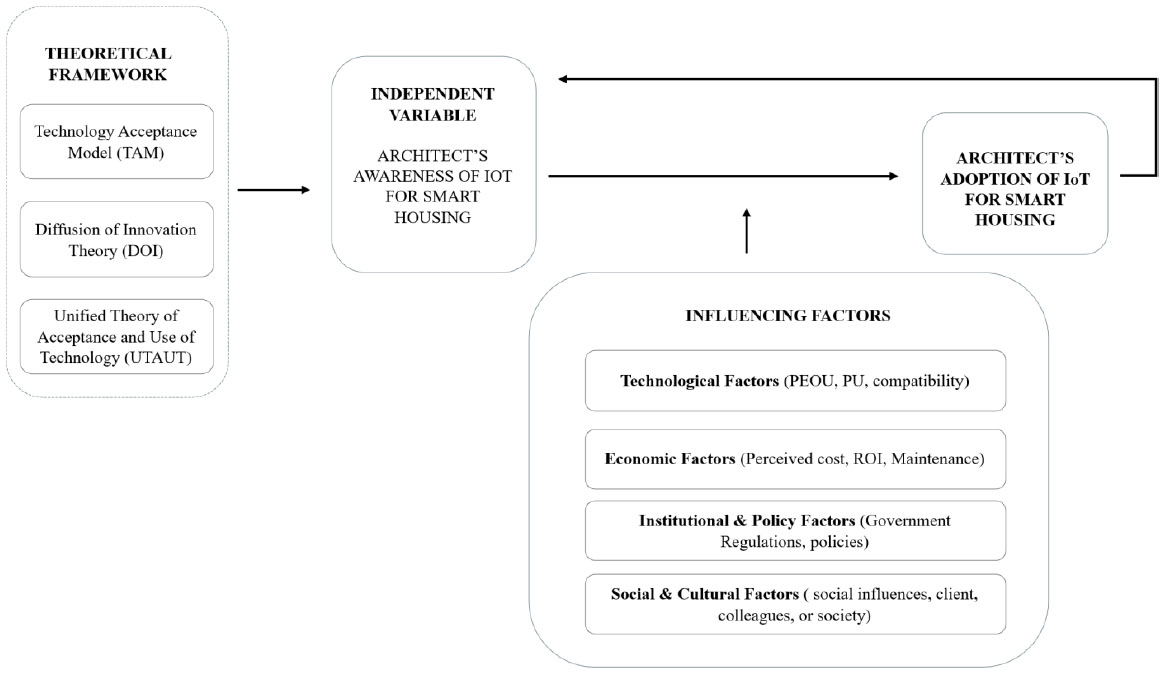
Illustrating the conceptual framework used in this study.
2. MATERIALS AND METHODS
2.1. Research Design
The research methodology adopted in this study is presented in Fig. (2). The aim of this paper is to assess architects' awareness and adoption of IoT technologies in the design and construction of smart homes in Lagos, Nigeria. To achieve this, a cross-sectional survey was conducted to assess respondents' current level of awareness. The design was tailored to collect quantitative data from architects in Lagos. In the first section of the questionnaire, socioeconomic data on gender, age, years of professional experience, and educational qualification were collected. The second section of the questionnaire assessed the awareness of IoT technologies using a 5-point Likert scale (very aware, aware, neutral, unaware, and very unaware). This section also included closed-ended questions to assess whether these technologies were being implemented, to identify why they were not in some cases, and how often clients requested IoT features in their projects. The third section of the questionnaire respondents were required to identify how much each factor influencing IoT adoption actually influenced their decision to adopt IoTs for smart housing, with 15 variables using a 5-point Likert scale (strongly agree, agree, Neutral, Disagree, strongly disagree), the fourth section requested respondents to identify how much certain challenges hindered their decision to adopt IoTs for smart housing with 14 variables using a 5 point Likert scale (strongly agree, agree, Neutral, disagree, strongly disagree) it also requested respondents how willing they are to adopt IoT solutions in future projects.
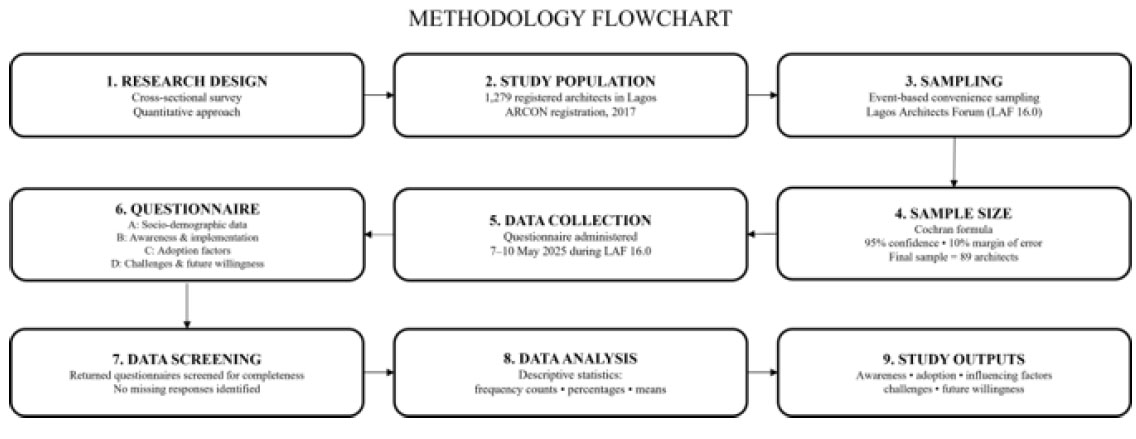
Research methodology flow chart.
The complete questionnaire used for data collection is provided as Supplementary File 1. To process and analyse the responses, descriptive statistics such as frequency counts, percentages, and means were used, alongside tables and charts. All returned questionnaires were screened for completeness before analysis. No missing responses were identified; therefore, no imputation or missing-data adjustment was required. This approach is consistent with standard practices for analysing survey instruments [60]. Other notable studies [61-64] also used this method.
2.2. Data Collection
The study population was based on the population of registered architects in Lagos, dictated by the scope of the research, which, according to figures from the ARCON registration (2017), limits the number of architects to one thousand two hundred and seventy-nine (1279) [65].
The 2017 figure for ARCON was used as this was the only population of registered architects in Lagos that was available and identifiable for this study. At the time of the study, there was no available population figure for registered architects in Lagos that was publicly available and well disaggregated. The figure for 2017 was therefore used as the most traceable estimate of population to estimate the sample size.
For this study, simple random sampling is theoretically ideal, but practical random sampling will require a fully accessible and updated sample frame. Relying on regulatory directories is not practical due to privacy barriers, outdated contact information, and the inclusion of inactive practitioners, which will create a high non-response bias. To ensure sound data collection, this study adopted an event-based convenience sampling technique. The primary research instrument was administered to architects between May 7th and 10th, 2025, during the Lagos Architects Forum (LAF 16.0). This Purposive technique was used to leverage the large concentration of the target population, effectively overcoming the historically low response rate of remote surveys. This pragmatic approach is well supported by contemporary built-environment literature. For example, Ibem, Aduwo, and Ayo-Vaughan [66] successfully employed a similar event-based sampling strategy at a major Nigerian architectural colloquium. Aligning with this established methodology ensures both practical feasibility and academic rigour.
Participants who were eligible for inclusion were architects practising in Lagos, Nigeria, who were available to participate during the data collection period. Individuals who were not practising architects in Lagos were excluded from the study.
The sample size was determined using the Cochran formula.
The assumed sample size, n0, was first calculated using the formula (Eq. 1):
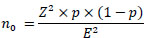
Where:
n0 = sample size without a known population
Z = Z-score corresponding to the desired confidence level
p = estimated proportion of the population that has the characteristic of interest
E = desired margin of error
Assuming a 95% confidence level (Z = 1.96), a margin of error of 10% (E = 0.1), and p = 0.5 for maximum variability,
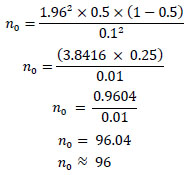
To adjust for our population of 1279 architects, Eq. (2) is used:
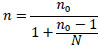
Where:
n = desired sample size
N = total size of the population (1279)
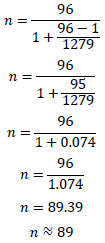
Therefore, the sample population is 89.
3. RESULTS
3.1. Socio-demographic Analysis
The socio-economic data collected from respondents includes gender, age range, years of experience in architecture, and highest educational qualification. Table 1 below displays the responses gathered from the survey.
| Socio-economic Characteristics | Categories | Frequency | Percentage |
|---|---|---|---|
| Gender | Male | 67 | 75% |
| Female | 22 | 25% | |
| Age range | Below 25 years | 7 | 8% |
| 25-34 years | 32 | 36% | |
| 35-44 years | 22 | 25% | |
| 45-54 years | 14 | 16% | |
| 55 and above | 14 | 16% | |
| Years of experience in Architecture | Less than 5 years | 15 | 17% |
| 5-10 years | 29 | 33% | |
| 11-15 years | 13 | 15% | |
| Above 15 years | 32 | 36% | |
| Highest educational qualification | BSc in Architecture | 5 | 6% |
| MSc in Architecture | 73 | 82% | |
| PhD in Architecture | 11 | 12% | |
| Other | 0 | 0% |
The table shows that a larger percentage of the respondents were males (75%) compared to females (25%). responses were also gathered from a wide age range of architects, with those aged 25-36 years making up the majority (32%), followed by those aged 45-54 years (16%), and 55 and above (16%). 7 responses were obtained from respondents aged below 25 years (8%).
Table 1 above also compares the level of experience the respondents had in the field. It states that 17% of the respondents had less than 5 years of experience, 33% had 5-10 years, 15% had 11-15 years, while those with above 15 years of experience made up 36% of the sample population. This data indicate that the majority of the respondents had above 15 years of experience (36%), followed closely by those who had 5-10 years of experience (33%).
From the sample population, those with only a B.Sc. in Architecture made up 6%, those with an M.Sc. in Architecture made up 82%, while those with a PhD made up the remaining 12%. It is worth noting that the majority of the respondents had an M.Sc. in Architecture.
3.2. Awareness of IoT Technologies Among Architects
This section presents findings from section B of the questionnaire, where respondents evaluated their awareness of various IoT technologies.
3.2.1. Knowledge of IoT for Smart Housing
Table 2 below shows that 95.5% of respondents have heard of IoT for smart housing, while 4.5% responded “No”, meaning they haven’t heard of it. This suggests that there’s a high level of basic awareness of IoT among Architects in Lagos, Nigeria.
| Have you Heard of the Internet of Things (IoT) for Smart Housing | Frequency | Percentage |
|---|---|---|
| Yes | 85 | 96% |
| No | 4 | 4% |
| Total | 89 | 100.0% |
3.2.2. Primary Sources of Information About IoT In Architecture
Table 3 above shows that 34.5% of respondents knew about IoT for smart housing through Seminars and Conferences, 28.6% knew about it through Online Courses, 50% knew about it through their Colleagues and Peers, 26.2% of respondents knew about it through Academic Journals, 57.1% knew it through social media, and 1.2% of the respondent knew about IoTs through other sources such as Onsite experience. For this data, respondents were allowed to pick multiple answers, but it shows that the major sources of information or knowledge about IoT, which is a rapidly growing technology, are through informal sources such as social media, colleagues, and peers.
| Sources of Information about IoT | Percent of Cases |
|---|---|
| Seminars and Conferences | 34.5% |
| Online course | 28.6% |
| Colleagues and Peers | 50.0% |
| Academic Journals | 26.2% |
| Social media | 57.1% |
| others | 1.2% |
3.2.3. Awareness of IoT for Smart Housing
Table 4 below shows that respondents are most familiar with surveillance cameras (96%; M = 4.66), Smart Appliances, e.g. fridges, TVs, ovens ((96%; M = 4.63), Biometric authentication systems (93%; M = 4.57), and solar energy monitoring systems (93%; M = 4.51), but they are less familiar with automated garbage Disposal (52%; M = 3.56) and smart irrigation systems for gardens (67%; M = 3.93).
| IoT Technology | VA | A | N | U | VU | Mean | StD | Rank |
|---|---|---|---|---|---|---|---|---|
| Surveillance Cameras | 63 | 22 | 4 | 0 | 0 | 4.66 | 0.56 | 1 |
| Smart Appliances (e.g., Fridges, Ovens) | 60 | 25 | 4 | 0 | 0 | 4.63 | 0.57 | 2 |
| Biometric Authentication Systems | 57 | 26 | 6 | 0 | 0 | 4.57 | 0.62 | 3 |
| Solar Energy Monitoring Systems | 51 | 32 | 6 | 0 | 0 | 4.51 | 0.62 | 4 |
| Automated Lighting (Motion Sensors) | 52 | 29 | 8 | 0 | 0 | 4.49 | 0.66 | 5 |
| Smart Locks with Remote Access | 51 | 31 | 6 | 1 | 0 | 4.48 | 0.68 | 6 |
| Automated Blinds and Curtains | 48 | 34 | 7 | 0 | 0 | 4.46 | 0.64 | 7 |
| Voice-Controlled Assistants | 44 | 35 | 9 | 1 | 0 | 4.37 | 0.71 | 8 |
| Smart Thermostats & HVAC Systems | 44 | 34 | 8 | 3 | 0 | 4.34 | 0.78 | 9 |
| Smart Water Heaters | 34 | 40 | 12 | 3 | 0 | 4.18 | 0.79 | 10 |
| Smart Meters | 34 | 34 | 13 | 8 | 0 | 4.06 | 0.95 | 11 |
| Smart Irrigation Systems for Gardens | 27 | 33 | 25 | 4 | 0 | 3.93 | 0.88 | 12 |
| Automated Garbage Disposal | 17 | 29 | 30 | 13 | 0 | 3.56 | 0.96 | 13 |
3.2.4. Experience with IoT Integration in Housing Projects
Table 5 shows that 52% of respondents have incorporated IoT smart features in a housing project, while the remaining 48% have not incorporated IoT smart features in any housing project.
Table 5.
| Incorporation of IoT Features Among Respondents | Percentage |
|---|---|
| Yes | 52% |
| No | 48% |
This indicates a moderate level of adoption among architects in Lagos.
Table 6 below shows the reasons why 48% of respondents have not incorporated IoT smart housing features in any housing project. The data shows that 23.8% of respondents haven’t incorporated IoTs because of ‘lack of awareness’, 61.8% of respondents identified ‘high cost of implementation’ as a reason they haven’t incorporated any IoT features, 59.5% identified lack of client interest’ as a reason why they haven’t incorporated any IoT features, 35.7% identified ‘limited technical knowledge’ as a reason they haven’t incorporated any IoT features, and 31% identified ‘limited infrastructure’ as a reason they haven’t incorporated any IoT features.
| Reason for Non-adoption of IoT Features | Per cent of Cases |
|---|---|
| lack of awareness | 23.8% |
| high cost of implementation | 61.9% |
| lack of client interest | 59.5% |
| limited technical knowledge | 35.7% |
| Infrastructure limitations | 31.0% |
3.2.5. Frequency of Client Requests for IoT Smart Features
Table 7 above shows that a very small proportion of respondents (1.1%) indicate that clients always request for IoT smart features, while 6.7% of respondents said clients never request for IoT smart features. The majority of respondents 44.9% indicated that clients rarely requested for these features; the others indicated that clients sometimes (33.7%) or often (13.5) requested these features. This shows that while there is some awareness among architects, client demand remains low in Lagos.
| How often do Clients Request IoT Smart Features? | Frequency | Percentage (%) |
|---|---|---|
| Never | 6 | 6.7% |
| Rarely | 40 | 44.9% |
| Sometimes | 30 | 33.7% |
| Often | 12 | 13.55% |
| Always | 1 | 1.1% |
| Total | 89 | 100.0% |
3.2.6. Influence of IoT on Property Value in Lagos
Table 8 shows that 90 per cent of respondents believe IoT-enabled designs will increase property value, 9% of respondents believe it might increase property value, and 1% of respondents do not believe it will increase property value. This shows that the majority of architects recognise the economic potential of IoT-enabled smart housing.
| Perceived Impact of IoT-Enabled Designs on Property Value in Lagos | Percentage |
|---|---|
| Yes | 90% |
| Maybe | 9% |
| No | 1% |
3.3. Factors Influencing the Adoption of IoT Technologies
This section presents findings from section C of the questionnaire, in which respondents assessed how much factors affecting IoT adoption influenced their decision to adopt IoTs for smart housing.
3.3.1. Importance of IoT-Enabled Smart Housing in Lagos
Table 9 below shows that 44.9% of respondents were neutral about the importance of IoT in smart housing. However, a combined 45% (32.6% + 12.4%) considered it either important or very important, suggesting that nearly half of the respondents recognise the potential significance of IoT technologies in enhancing residential environments in Lagos.
| Importance Level | Percent (%) |
|---|---|
| Not important | 3.4 |
| Slightly important | 6.7 |
| Neutral | 44.9 |
| Important | 32.6 |
| Very important | 12.4 |
Only a small proportion, 10.1% (3.4% + 6.7%), believed that IoT smart housing is not important or only slightly important. This indicates a generally positive perception towards the relevance of IoT, even though a substantial portion remains undecided (neutral), as seen in the high percentage of neutral responses.
This neutrality may be due to limited public exposure to or understanding of IoT applications in housing. It could also suggest that while awareness is growing, adoption is still evolving, potentially influenced by factors such as cost, infrastructure, or digital literacy levels.
3.3.2. Extent of Influence of Various Factors on IoT Adoption Decisions
Table 10 presents respondents' levels of agreement on various factors influencing the adoption of IoT technologies for smart housing. The factors with the highest percentages were ‘perceived usefulness’ and ‘Cost of Installation ’, with means of 4.71, and standard deviations of 0.57 and 0.66, respectively. Perceived ease of use followed with a mean of 4.58 (SD = 0.62). Overall, the relatively small standard deviations for most factors suggest that responses were fairly concentrated around their respective mean scores, although greater variability was seen for factors such as government incentives (SD = 1.06) and financial incentives (SD = 1.05).
| Factor | SA | A | N | D | SD | Mean | StD | Rank |
|---|---|---|---|---|---|---|---|---|
| Perceived Usefulness | 68 | 16 | 5 | 0 | 0 | 4.71 | 0.57 | 1 |
| Cost of Installation | 72 | 9 | 7 | 1 | 0 | 4.71 | 0.66 | 1 (tie) |
| Perceived Ease of Use | 58 | 25 | 6 | 0 | 0 | 4.58 | 0.62 | 3 |
| Client Demand | 61 | 18 | 10 | 0 | 0 | 4.57 | 0.69 | 4 |
| Fit with users' lifestyle and needs | 61 | 17 | 11 | 0 | 0 | 4.56 | 0.71 | 5 |
| Perceived prestige associated with IoT-enabled smart housing | 58 | 22 | 8 | 1 | 0 | 4.54 | 0.71 | 6 |
| Compatibility with existing housing infrastructure and designs | 62 | 12 | 15 | 0 | 0 | 4.53 | 0.77 | 7 |
| Adoption of IoT by colleagues and professionals in the field | 56 | 22 | 9 | 1 | 1 | 4.47 | 0.81 | 8 |
| Cost of retrofitting existing buildings | 61 | 9 | 18 | 1 | 0 | 4.46 | 0.85 | 9 |
| Perception of long-term cost savings | 51 | 19 | 18 | 1 | 0 | 4.35 | 0.84 | 10 |
| Availability of financial incentives | 51 | 11 | 21 | 5 | 1 | 4.19 | 1.05 | 11 |
| Availability of professional training on IoT technologies | 42 | 22 | 24 | 1 | 0 | 4.18 | 0.87 | 12 |
| Regulatory frameworks ensuring IoT compliance and security | 42 | 19 | 27 | 1 | 0 | 4.15 | 0.90 | 13 |
| Incentives from government to adopt IoT | 46 | 13 | 22 | 8 | 0 | 4.09 | 1.06 | 14 |
| Government policies supporting IoT adoption | 34 | 19 | 33 | 3 | 0 | 3.94 | 0.95 | 15 |
Overall, the results indicate that the factors influencing IoT adoption were generally associated with high levels of agreement.
Table 11 above shows that 91% of respondents believe IoT will significantly impact the future of architecture in Nigeria, while only 9% disagree. This reflects a high level of agreement among respondents regarding the relevance of IoT in architecture. It can be concluded that there is a widespread belief in the transformative potential of IoT technologies in Nigeria, which suggests a readiness to integrate smart solutions into future design and construction practices.
| Response | Percentage |
|---|---|
| Yes | 91% |
| No | 9% |
3.4. Challenges Hindering the Adoption Of IoT Technologies
This section presents findings from section D of the questionnaire, where respondents indicate the extent to which certain challenges hindered their decision to adopt IoTs for smart housing. Table 12 shows this on a 5-point Likert scale (strongly agree, agree, neutral, disagree, and strongly disagree).
| Challenge | SA | A | N | D | SD | Mean | StD | Rank |
|---|---|---|---|---|---|---|---|---|
| High cost of infrastructure | 60 | 17 | 12 | 0 | 0 | 4.54 | 0.72 | 1 |
| Limited affordability | 60 | 16 | 13 | 0 | 0 | 4.53 | 0.74 | 2 |
| Maintenance and operational costs | 59 | 17 | 13 | 0 | 0 | 4.52 | 0.74 | 3 |
| Interoperability issues | 50 | 26 | 13 | 0 | 0 | 4.42 | 0.74 | 4 |
| Limited public awareness | 54 | 12 | 22 | 1 | 0 | 4.34 | 0.89 | 5 |
| Weak regulatory frameworks | 50 | 17 | 21 | 1 | 0 | 4.30 | 0.87 | 6 |
| Cybersecurity vulnerabilities | 50 | 21 | 12 | 6 | 0 | 4.29 | 0.94 | 7 |
| Limited availability of professional training | 48 | 19 | 21 | 1 | 0 | 4.28 | 0.87 | 8 |
| Social influence | 51 | 14 | 21 | 2 | 1 | 4.26 | 0.97 | 9 |
| Fear of potential cyber-attacks | 51 | 12 | 23 | 3 | 0 | 4.25 | 0.96 | 10 |
| Concerns about data privacy | 48 | 16 | 21 | 4 | 0 | 4.21 | 0.96 | 11 |
| Complexity of integration | 47 | 19 | 18 | 4 | 1 | 4.20 | 0.99 | 12 |
| Absence of supportive policies | 42 | 13 | 29 | 5 | 0 | 4.03 | 1.02 | 13 |
| Cultural resistance | 45 | 9 | 27 | 5 | 3 | 3.99 | 1.16 | 14 |
3.4.1. Extent of Agreement on Challenges Hindering IoT Adoption in Smart Housing
Table 12 above presents the challenges respondents faced that hindered the adoption of IoT technologies, ranked by their mean, with values closer to 5 indicating strong agreement with the challenge. The challenge with the highest mean was ‘high cost of IoT devices and infrastructure’ with a mean of 4.54 (StD = 0.72), followed closely by ‘limited affordability’ and ‘maintenance and operational costs’ with means of 4.53(StD = 0.74) and 4.52(StD = 0.74), respectively. It can be deduced that these challenges account for most of the reasons for the lack of adoption of IoT devices for smart housing by architects in Lagos.
The table also tells us that the challenge which is least responsible for the adoption of IoT smart devices in architecture is ‘cultural resistance’, with a mean of 3.99(StD = 1.16), indicating that there is not as much cultural resistance to the adoption of these devices, and their adoption is more likely hindered by the challenges higher up in rank, as stated above.
From Table 13 above, it can be observed that the majority (79% = 51% willing + 28% very willing) of the respondents are willing or very willing to adopt IoT smart solutions in future projects, while 18% maintain a neutral stance. The remaining 3% are either slightly willing or not willing to adopt these solutions.
| Willingness Level | Percent |
|---|---|
| Not Willing | 1% |
| Slightly Willing | 2% |
| Neutral | 18% |
| Willing | 51% |
| Very Willing | 28% |
4. DISCUSSION
The general awareness among architects in Lagos is high, as 96% of the surveyed architects were aware of IoTs. This is consistent with other research on the growing interest in intelligent building characteristics among professionals in Nigeria, including Opawole et al. [5]. This awareness, however, is not a guarantee of adoption, with only 52% of the respondents saying they added the features of an IoT in housing projects. This is the gap that reinforces the point in the literature that awareness does not necessarily translate to usage. The moderate adoption rate (52%) in this research shows that high awareness does not necessarily translate into actual adoption and aligns with Adara et al. [58], who noted a lack of practical experience with smart housing among residents and professionals. Although architects are willing to implement IoT technologies, there are a number of reasons that limit their adoption, including high cost, infrastructure constraints, and lack of interest on the part of the clients. This confirms the Technology Acceptance Model (TAM) principle that perceived usefulness and ease of use need to be converted to behavioural intention in order for adoption to take place [7]. Despite being useful and easy to use, real-life constraints continue to prevent respondents from adopting IoT.
Client demand was identified as a major influencing factor, yet findings showed that most clients rarely request IoT features. This reflects a broader socio-cultural and economic context where clients may prioritise affordability over technological advancement. According to the Unified Theory of Acceptance and Use of Technology (UTAUT) model, social influence significantly impacts technology adoption [11]. In this case, while results show that architects are strongly influenced by peers and professional trends, with 87.6% of the respondents agreeing or strongly agreeing that the adoption of IoT technologies by colleagues and other professionals influences their adoption decisions. However, the lack of client interest in IoT features remains a barrier to wider adoption. This supports the findings of Grandón et al. [51], which emphasised the importance of social and market-driven motivation in IoT integration.
Perceived usefulness (94%) and ease of use (93%) were the most significant positive influences, which reinforces TAM and UTAUT's central propositions. Similarly, the finding that compatibility with existing designs (83%) and user lifestyles (88%) influences adoption supports the Diffusion of Innovation Theory (DOI) theory’s emphasis on compatibility as a key determinant of innovation uptake [13].
On the other hand, the high implementation cost (87%), limited affordability (85%), and lack of financial incentives (70%) were major barriers. These results correspond with earlier studies by Basarir-Ozel et al. [46] and Amiebenomo and Oso [47], which highlighted financial barriers as critical factors hindering IoT adoption in developing regions.
Only 60% of respondents agreed that government policies significantly influenced their adoption of IoT. This suggests a weak institutional framework and limited policy support for smart housing in Lagos, confirming earlier conclusions by Akinwamide et al. [49] and Oke et al. [44]. The absence of strong regulation and incentive structures may account for the low adoption levels observed, even among willing architects. Architects expressed concern about cybersecurity (80%), data privacy (72%), and cyberattacks (71%). These concerns emphasise the need for strong security protocols and regulatory safeguards in the Nigerian context.
Despite existing barriers, 79% of respondents indicated they are willing or very willing to adopt IoT in future projects. This is a sign that with the right training, financial support, and policy interventions, adoption levels can be significantly improved. It reflects a strong future-oriented mindset and suggests that architects recognise the long-term value and prestige associated with smart housing, an important social factor also supported by UTAUT.
Furthermore, the consistency of the present findings with those of previous studies conducted in Nigeria and internationally provides additional support for the validity of the results. Particularly, the discovery of implementation cost, client demand, and policy support as major factors influencing IoT adoption aligns with the findings of Opawole et al. [5], Basarir-Ozel et al. [46], and Akinwamide et al. [49]. This consistency with the existing literature suggests that the adoption patterns observed among architects in Lagos reflect broader trends in IoT adoption within the built environment.
CONCLUSION
This study assessed the level of awareness of and adoption of IoT technologies in smart housing by architects in Lagos, Nigeria. The results show that while architects exhibit a fairly high level of awareness of IoT technologies, there is only a medium level of adoption. The major constraints identified include implementation costs, low client demand, inadequate training, and weak policy support as the major factors influencing the adoption of IoT technologies in smart housing.
The findings suggest that increasing awareness alone is not sufficient to achieve widespread adoption of IoT technologies. Addressing the identified financial, institutional, and technical barriers will require coordinated efforts involving not just architects but all built-environment professionals, as well as educational institutions and government agencies, among others, to overcome these constraints. Such collaborative efforts have the potential to promote the effective integration of IoT technologies into smart housing development and contribute to more sustainable, efficient, and user-centred residential environments in Nigeria.
Recommendations
From the findings and limitations observed from this study, several recommendations can be made to support the increased awareness and adoption of Internet of Things (IoT) technologies in smart housing among architects and other built-environment professionals in Lagos, Nigeria. First, there is a need for professional development programs targeted at architects. Workshops and seminars focused on IoT integration in architecture should be organised regularly by professional bodies such as the Nigerian Institute of Architects (NIA). These programs would help bridge the gap between awareness and practical implementation by strengthening the knowledge and skills of architects and other built-environment professionals, including engineers, planners and construction professionals.
Furthermore, tertiary institutions that offer architecture should review their curriculum to include topics related to smart housing and emerging technologies. Enlightening students about the practical aspects of IoT at the undergraduate level will enhance their academic understanding and encourage innovation and the adoption of smart housing principles.
In addition, there should be intervention from the government. Government agencies should introduce incentives such as subsidies for smart housing developments. This would reduce financial barriers and encourage architects and clients to adopt IoT technologies.
Raising public awareness is also essential, as many clients are unaware of the benefits and long-term value of IoT in housing. There should be publicity through campaigns using housing exhibitions. As client demand grows, architects will be more inclined to integrate smart technologies into their designs.
Lastly, collaboration between architects and professionals from other disciplines, such as electrical engineers and software developers, should be encouraged. Partnerships can lead to innovative and cost-effective solutions. For future research, it is recommended that studies include other key stakeholders such as clients, developers, and policymakers to provide a more comprehensive understanding of IoT adoption. Additionally, future studies should consider broader geographic coverage and mixed-methods approaches to improve the depth and generalizability of findings.
Limitations
Some limitations of this study should be noted. The study was restricted to architects practising in Lagos, Nigeria; the results obtained may not be a true reflection of the architects in other parts of the country. Secondly, the study included only architects, which means that other important stakeholders of the smart housing project, such as clients, developers, policymakers, and technology providers, were not included and may also affect the adoption of IoT in smart housing. Finally, the study adopted a cross-sectional, descriptive study design, which limited the ability to draw causal relationships among awareness, influencing factors, challenges, and IoT adoption. More investigations are needed in the future, which will be geographically more extensive, involve several stakeholder groups, and use a mixed-methods strategy for a more comprehensive understanding.
AUTHORS’ CONTRIBUTIONS
The authors confirm their contribution to the paper as follows: A.A.: Study Conception and Design, Supervision, Review and Editing; O.D.: Study Conception and Design, Data Collection, Writing - Original Draft Preparation; P.F.: Data Collection, Writing - Original Draft Preparation; L.C.: Data Collection, Data Analysis, Writing - Original Draft Preparation; E.A.: Writing - Original Draft Preparation. All authors reviewed the results and approved the final version of the manuscript.
LIST OF ABBREVIATIONS
| AI | = Artificial Intelligence |
| ARCON | = Architects Registration Council of Nigeria |
| AWS | = Amazon Web Services |
| BLE | = Bluetooth Low Energy |
| BOQ | = Bills of Quantities |
| DOI | = Diffusion of Innovation |
| HVAC | = Heating, Ventilation, and Air Conditioning |
| IoT | = Internet of Things |
| LAF | = Lagos Architects Forum |
| NB-IoT | = Narrowband Internet of Things |
| NIA | = Nigerian Institute of Architects |
| PEOU | = Perceived Ease of Use |
| PU | = Perceived Usefulness |
| ROI | = Return on Investment |
| SMEs | = Small and Medium-Sized Enterprises |
| TAM | = Technology Acceptance Model |
| UTAUT | = Unified Theory of Acceptance and Use of Technology |
ETHICS APPROVAL AND CONSENT TO PARTICIPATE
This study was conducted as the undergraduate research project of three of the co-authors. As this was an undergraduate student research project, formal ethical approval was not required in accordance with the institution’s research requirements. The study involved an anonymous, non-interventional questionnaire survey and did not involve patients, clinical intervention, biological samples, vulnerable groups, or the collection of personally identifiable sensitive information
HUMAN AND ANIMAL RIGHTS
All procedures involving human participants were conducted in accordance with the ethical standards of the committee responsible for human experimentation (institutional and national), and with the Helsinki Declaration of 1975, as revised in 2013.
CONSENT FOR PUBLICATION
Informed consent was obtained from all participants prior to participation, and respondents were assured of the anonymity and confidentiality of their data
AVAILABILITY OF DATA AND MATERIALS
The data supporting the findings of the article are available from the corresponding author upon reasonable request.
ACKNOWLEDGEMENTS
Declared none.